


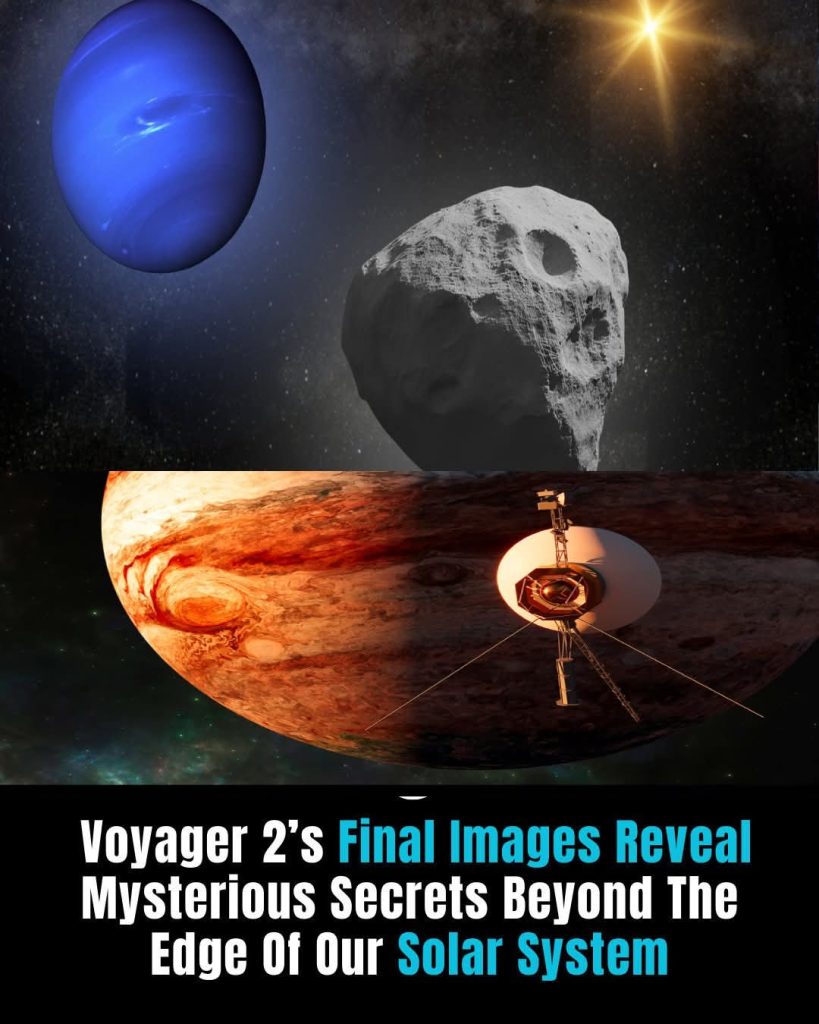
NASA’s Voyager 2 spacecraft, now more than 12 billion miles from Earth, has taken another step into history. Launched in 1977, Voyager 2 crossed into interstellar space in 2018, becoming one of humanity’s farthest-traveling emissaries.
This week, scientists confirmed the shutdown of its Plasma Science Experiment, an instrument that had been gathering unique data on the density and behavior of interstellar plasma. The move is part of efforts to conserve power and extend the spacecraft’s mission.
Despite the loss of this instrument, Voyager 2 continues to operate with several others still functioning, transmitting valuable insights about cosmic rays, magnetic fields, and the nature of the space between stars. Researchers say the spacecraft will keep sending data until its power runs out, expected sometime in the 2030s.
Voyager 2, along with its twin Voyager 1, remains a symbol of human curiosity and exploration, carrying not only scientific instruments but also the famous Golden Record — a time capsule of Earth’s culture, sounds, and music.